
Table des matières
Appendices: Glossary, Quiz, List of useful Wikipedia pages, List of useful websites, Suggestions for further study.
Résumé
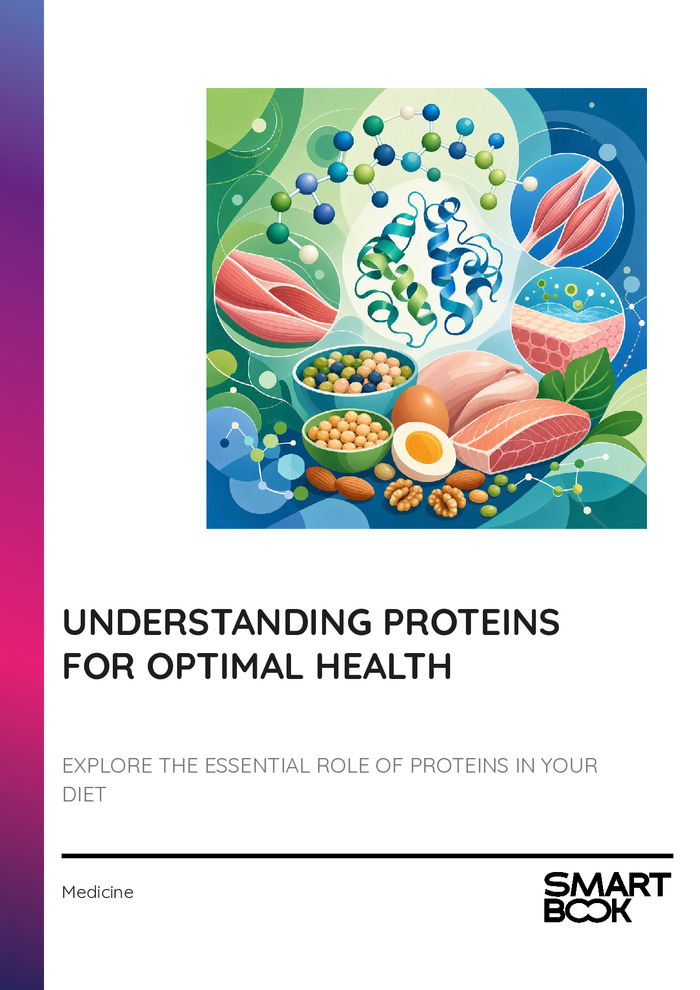
Proteins are essential macronutrients that play a vital role in the body's growth, repair, and overall functionality. They are composed of amino acids, which are necessary for the synthesis of enzymes, hormones, and other critical molecules that regulate physiological processes. Proteins are categorized into complete and incomplete types. Complete proteins, which contain all nine essential amino acids, are typically found in animal-based foods, while incomplete proteins, lacking one or more essential amino acids, are usually derived from plant-based sources. For individuals following vegetarian or vegan diets, combining various plant proteins is recommended to achieve a complete amino acid profile.
The health benefits of proteins are extensive and multifaceted. They support muscle health, enhance satiety, aid in weight management, and bolster the immune system. Proteins are also crucial for tissue repair and recovery after physical exertion, making them particularly important for athletes and active individuals. Additionally, proteins contribute to the production of hormones and enzymes, which are essential for maintaining various bodily functions. Ensuring adequate protein intake is therefore vital for overall health and well-being.
The recommended daily protein intake varies depending on individual factors such as age, sex, and activity level. General guidelines suggest that adult women consume about 46 grams of protein per day, while men should aim for around 56 grams. Athletes and individuals with higher physical activity levels may require increased protein intake to support their training and recovery needs. It is important to tailor protein consumption to meet personal dietary requirements and lifestyle demands.
Practical strategies for incorporating sufficient protein into the diet include consuming protein-rich foods at each meal. For example, eggs or Greek yogurt can be included in breakfast, nuts or seeds can serve as healthy snacks, and legumes or lean proteins like chicken or fish can be added to lunch and dinner. By being mindful of protein sources and incorporating a variety of foods, individuals can achieve a balanced diet that supports their overall health and nutritional needs.