
PRIX : 1,99 EURO ou 1 CREDIT
(Formats pdf, epub et azw3 inclus)
Table des matières
Appendices: Glossary, Quiz, List of useful Wikipedia pages, List of useful websites, Suggestions for further study.
Résumé
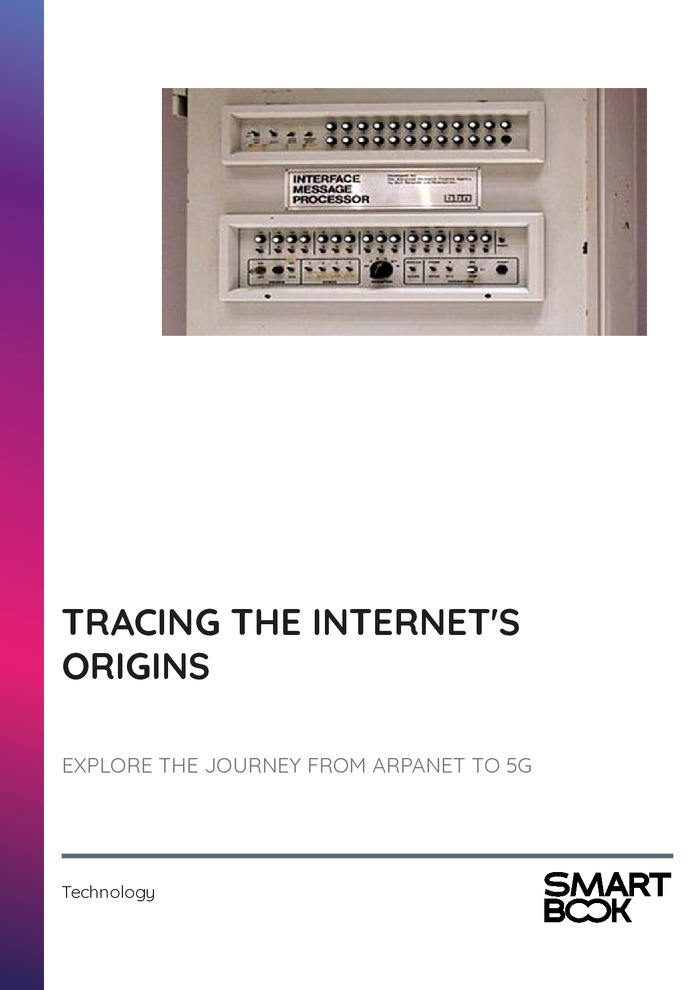
The history of the internet is a fascinating journey that begins in the 1960s with the development of ARPANET, the Advanced Research Projects Agency Network. This pioneering project laid the groundwork for modern networking by introducing the concept of packet switching and the TCP/IP protocol suite, which became the standard for internet communication. The 1970s saw further advancements, including the creation of email and the domain name system (DNS), which facilitated easier navigation and communication across the network.
The 1990s marked a significant turning point with the advent of the World Wide Web, developed by Tim Berners-Lee. This innovation revolutionized how information was shared and accessed, making the internet more user-friendly and accessible to the general public. The introduction of web browsers, such as Netscape Navigator, further enhanced the usability of the internet, leading to its widespread adoption. This era also saw the emergence of e-commerce and online services, which began to transform traditional business models.
In the 2000s, the internet experienced another wave of transformation with the rise of social media platforms like Facebook and Twitter. These platforms changed the way people communicate and share information, fostering a more connected and interactive online community. The proliferation of smartphones and mobile internet further expanded access to the internet, enabling users to stay connected on the go. Additionally, the advent of cloud computing provided new opportunities for data storage and processing, revolutionizing both personal and professional use of technology.
Looking ahead, the future of the internet is poised to be shaped by emerging technologies such as artificial intelligence (AI), the Internet of Things (IoT), and 5G networks. These advancements promise to enhance connectivity, improve efficiency, and enable new applications in various fields. For instance, 5G technology is expected to provide faster internet speeds and lower latency, supporting innovations like smart cities, autonomous vehicles, and immersive virtual experiences. As these technologies continue to evolve, they will undoubtedly play a crucial role in shaping the future of connectivity and communication.